Rail Motors on the Line

SECR steam Rail Motor number 3 at Westerham Station in 1906/7. These units survived until 1920 but were not allocated to the branch.
During a period in 1936, a Sentinel Rail Bus worked on the line. This vehicle had been designed for use on the Devil’s Dyke branch near Brighton, but proved unsuccessfulas it could not climb the steep gradients on the branch and the brakes were too feeble on the downhill workings.The Southern Railway decided to give it a second chance and the Westerham line seemed ideal. It was transfered to the London East division on the 2nd March 1936 and placed in service.The Sentinel cut the journey time down to 10 minutes whilst operating on the line. To work the branch the Sentinel would come up to the branch as the 07:23 train from Tonbridge and take over from the Push-and Pull sets, then at 14:12 it would run back to Tonbridge for servicing, branch trains in the afternoon would then revert to Push-Pull working. At 17:00 the Sentinel would work “Passenger” back from Tonbridge to Dunton Green and work the rest of the day’s services before returning to Tonbridge shed. The unit which seated 44 passengers proved unpopular with one section of the travelling public as it did not have first class. Due to it being unreliable and breaking down fairly frequently and having to be rescued by a loco it was laid up at Ashford and the line reverted to Push-Pull working. The Sentinel was scrapped following the end of the war. The photo of the unit is one of very few known to exist,and shows the unit leaving Westerham on the 28th March 1936. The photographer was R W Kiidner.
If anyone knows of any other photographs of this Rail motor on the Westerham line, please let us know.
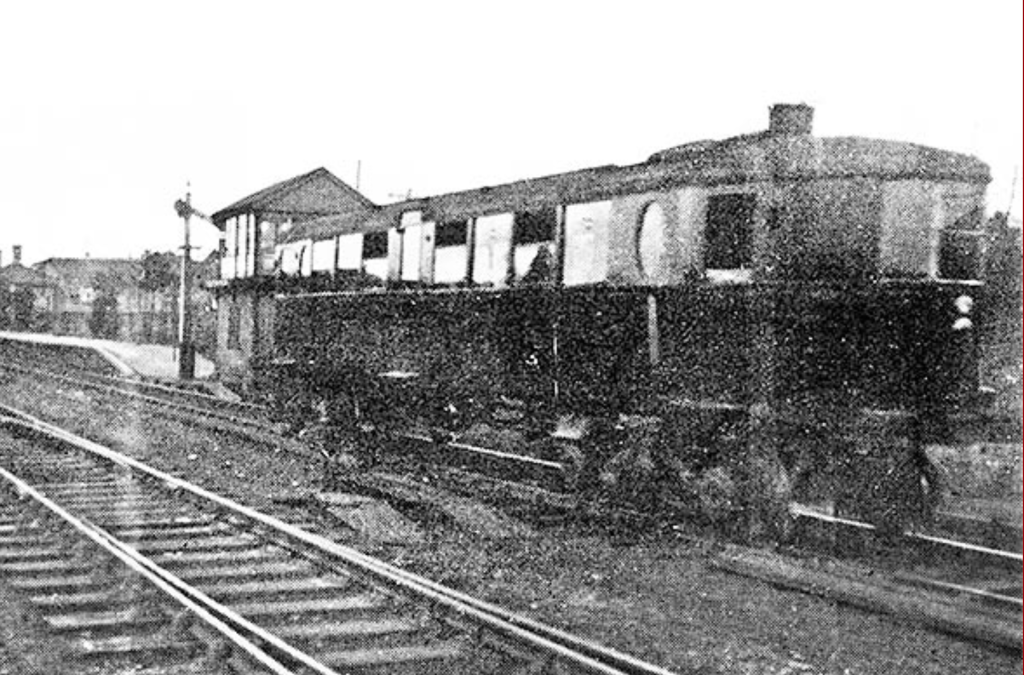
The Sentinel Railcar leaving Westerham on the 28th March 1936 during it’s testing on the branch.
A few notes on the SR Rail Motor
The Rail motor featured automatic stoking and an automated boiler feed water supply, allowing it to be operated by a single driver without a fireman.
Doble-Type Technology: It utilized a high-pressure Doble-style 100hp two-cylinder compound engine. The engine was slung directly onto one of the bogie axles, similar to an electric traction motor.
Specifications: It was 48 feet long, weighed 17 tons, and featured a vertical water-tube boiler operating at 300–350 psi.
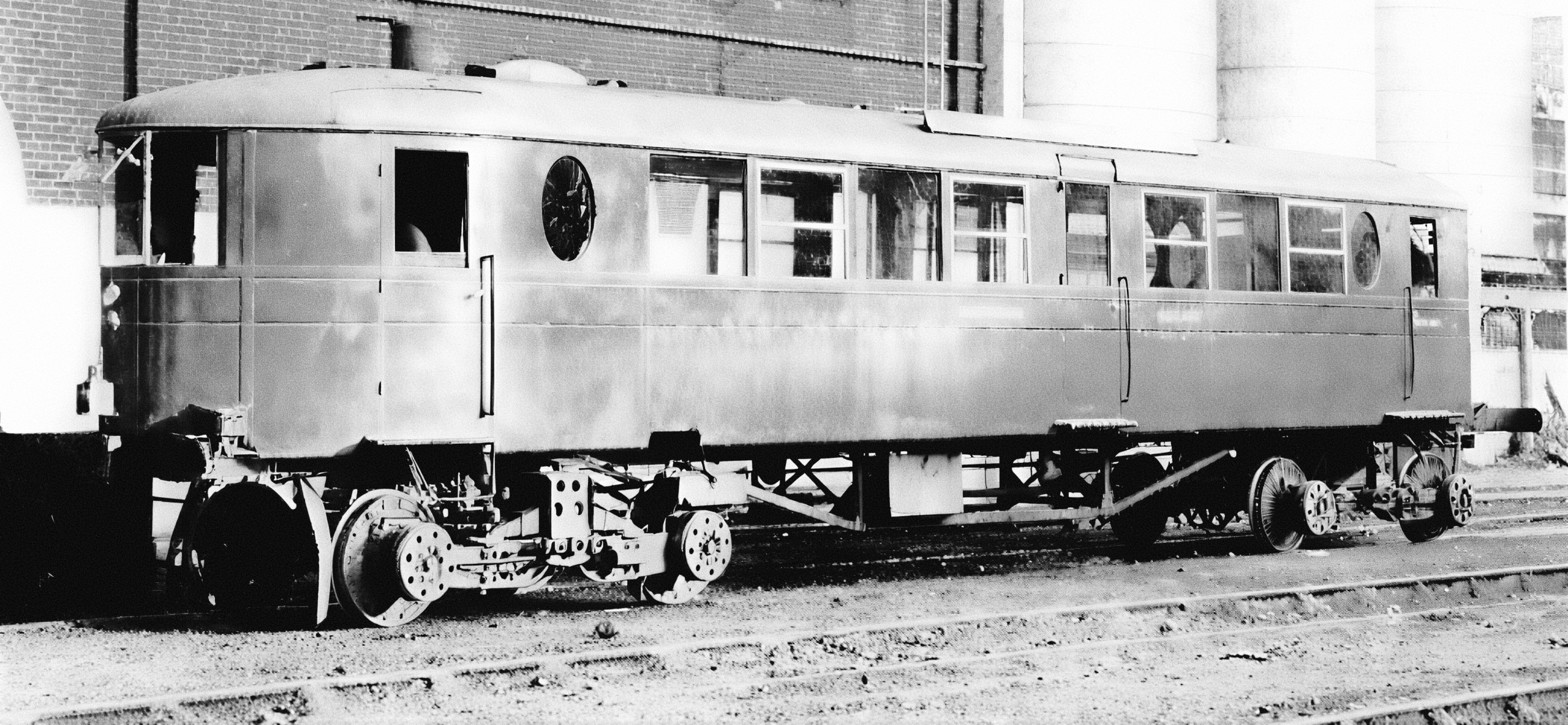
The Sentinel Rail Motor at Brighton works in 1935. The photographer was the late H. C. Casserley, and is from a private collection.
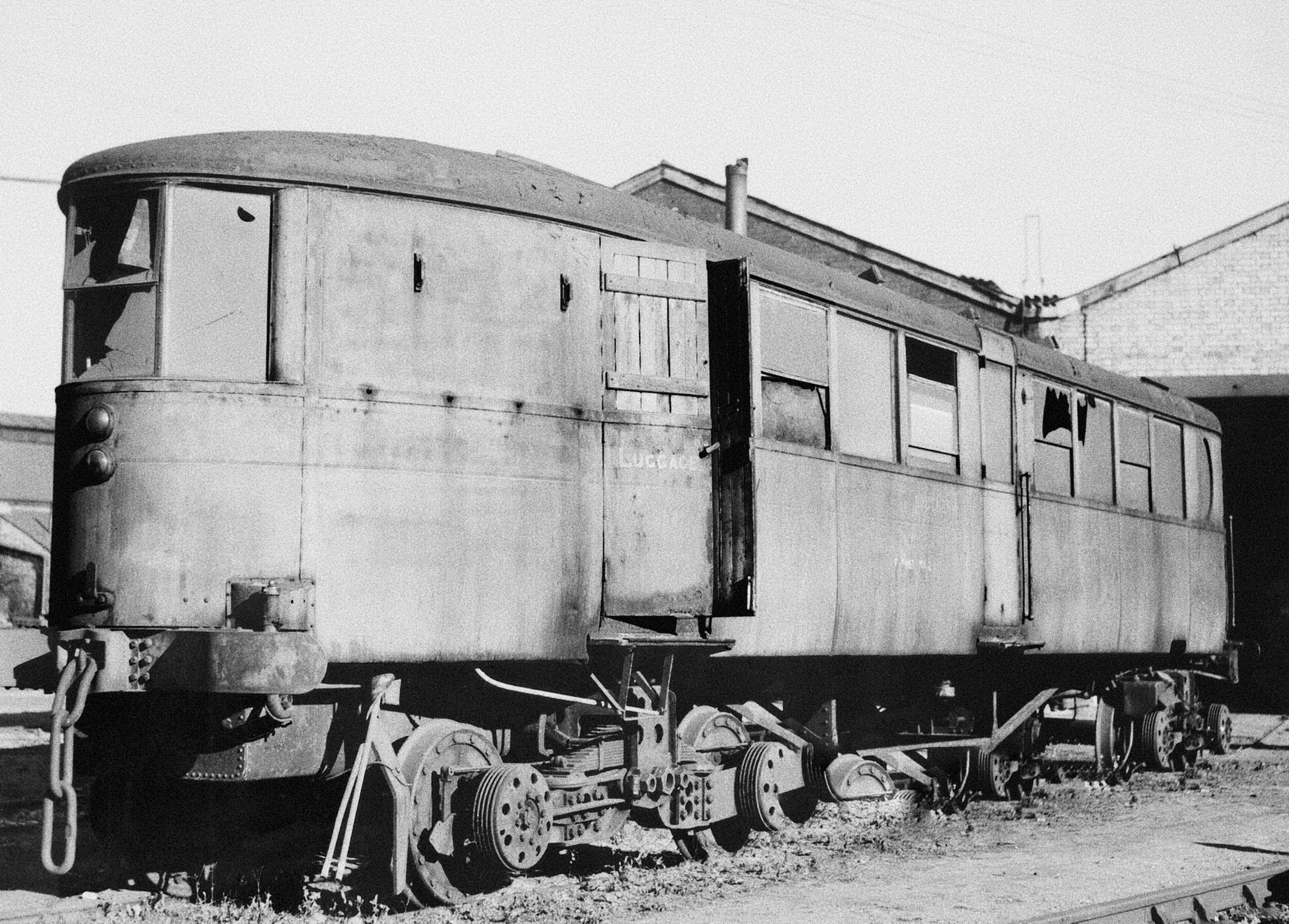
The sad end of the Rail Motor, seen here at Ashford works shortly before it was scrapped c 1949. During WW2 it was used for sleeping accommodation for Fire Watchers and ARP staff at Ashford works. Note the bogie details. The photographer was H. C. Casserley and is used with permission